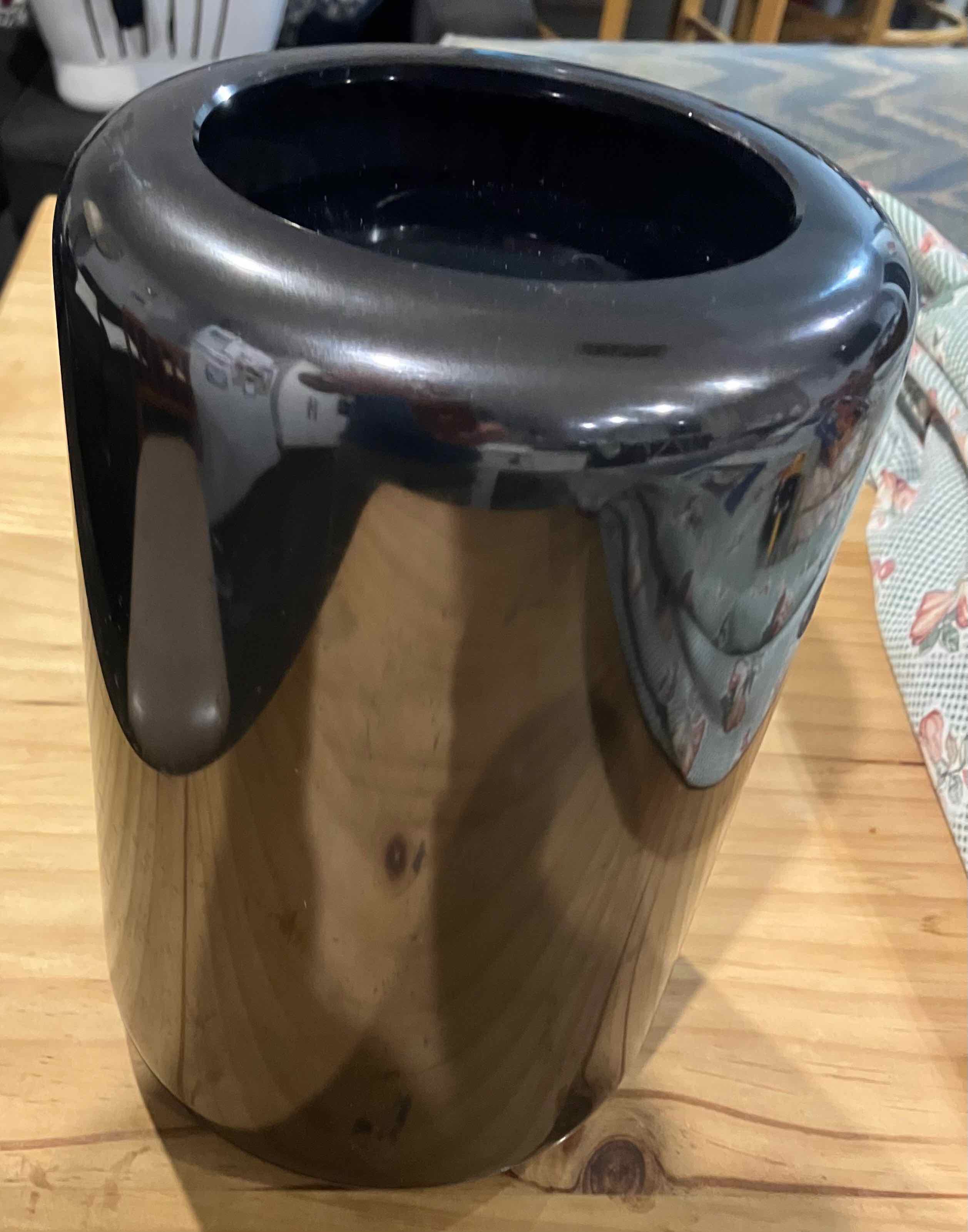
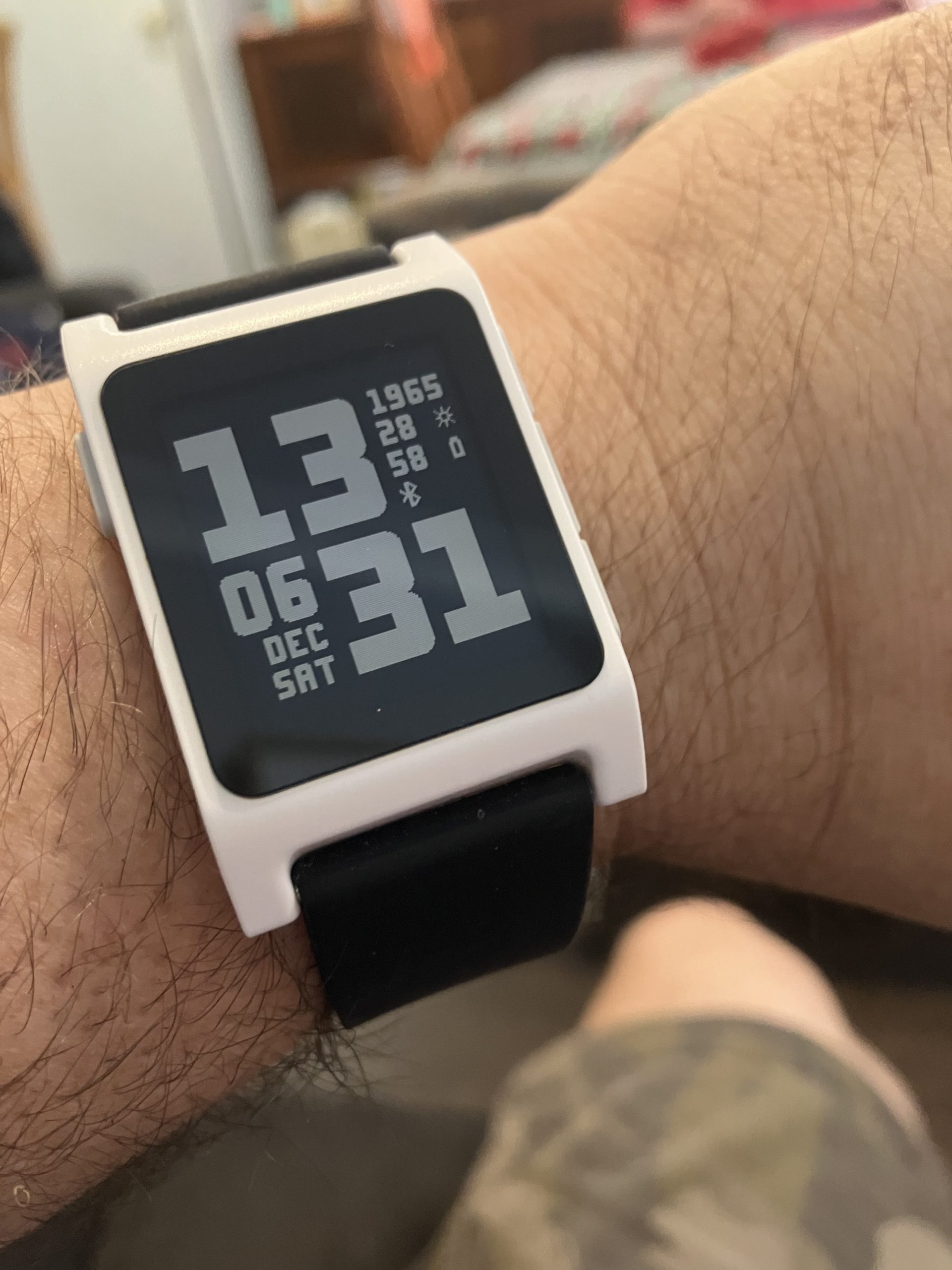
It arrived and I’m stoked. Loving the battery life and the simplicity.

Pebble 2 Duo (white) with generic black strap. Watchface is BlockFace by TomHol.
This is awesome. I have a White Pebble 2 Duo on the way.
Updated with the Airbus A319.
I had great difficulty getting my Arduino Opta set up and working using the Arduino PLC IDE – whatever I tried I got the “Cannot download Sketch file (error code: 1)” error.
I finally had success using the plain Arduino IDE to do the initialization and then switching to the Arduino PLC IDE. The final step was changing the Modbus address to 247.
It probably shouldn’t be that tricky….

It’s been a while since I’ve posted on this blog (and even longer since I’ve completed reading a book) – I really need to do both more often. I really enjoyed this book, despite the relatively gloomy subject matter. I find Michael Palin’s writing style very engaging; once I started reading it was difficult to put down.
While the mid-1800s seems like another time, in reality it wasn’t that long ago. It is incredible to think how far humanity and technology as progressed – ~150 years later and satellite imagery could provide most of the answers this ship and its crew sought from the comfort of a couch.
I ordered an Arduino Opta (RS485 version) and it has arrived – stay tuned for upcoming posts!
In the meantime, I’ve updated my initial review as it has been confirmed that the digital inputs support 24VDC. Programming support for IEC 61131-3 PLC languages has also been clarified (no MacOS support sadly).
| Pros | Cons | Unknowns |
|---|---|---|
| Partnership with Finder | ||
| DIN rail mount | Analogue inputs use 0-10VDC, not “standard” 4-20mA | Can programming be done over Ethernet? |
| IEC 61131-3 PLC language support | I/O expansion options? (What does the “AUX” port do?) | |
| Digital inputs support 24VDC (see here) | ||
| Beefy relay outputs with dedicated commons | ||
| Modbus-TCP and Modbus-RTU support | ||
| Input power supply is 12-24VDC | ||
| IP20 | ||
| -20 °C to +50 °C temperature operating range |
Arduino have announced a new micro PLC, the Opta, and while some details are unclear, it seems like a pretty neat product. Here are my initial thoughts:
| Pros | Cons | Unknowns |
|---|---|---|
| Partnership with Finder | Digital I/O uses 0-10VDC, not “standard” 24VDC | How will programming support for IEC 61131-3 PLC languages work? Via existing IDE? |
| DIN rail mount | Analogue inputs use 0-10VDC, not “standard” 4-20mA | Can programming be done over Ethernet? |
| IEC 61131-3 PLC language support | I/O expansion options? | |
| Beefy relay outputs with dedicated commons | ||
| Modbus-TCP and Modbus-RTU support | ||
| Input power supply is 12-24VDC | ||
| IP20 | ||
| -20 °C to +50 °C temperature operating range |
I’m hoping to buy one.
My Apple 27” Thunderbolt Display was flickering on and off intermittently (running on my M1 MacBook Air via a Apple USB C/Thunderbolt Adapter). Turns out it was the integrated Thunderbolt cable – I’ve connected it using a seperate cable and it now works perfectly (the display has a separate Thunderbolt port you can use).
Eventually I may try to replace the cable properly but it’s a fairly involved job… (thanks Apple!).

I have a pair of Apple IIc units (with matching power bricks), an Apple IIc monitor (complete with stand), an external Apple IIc floppy drive and an Apple IIc mouse (in original box no less).
In some brief testing, everything apart from one of the Apple IIc units worked perfectly (including both power bricks). This includes all of the 5 1/4 inch floppy disks I tried!
As you can see from the following photographs, the monitor is still crisp and bright. Not bad for around 38 years old!
With any luck, repairing the other Apple IIc unit shouldn’t be too hard. Everything is intact and present and there are no signs of damage.